📊 My Academic Progress
Core Focus Areas
The analytical pillars of Track 1B.
Remote Sensing
Physics of energy interaction, sensor technologies, and advanced hyperspectral analysis for environmental monitoring.
GeoAI & ML
Integrating machine learning and deep learning architectures into the Earth Observation signal chain.
Navigation
GNSS principles, multi-constellation integration, and high-precision positioning for space and terrestrial apps.
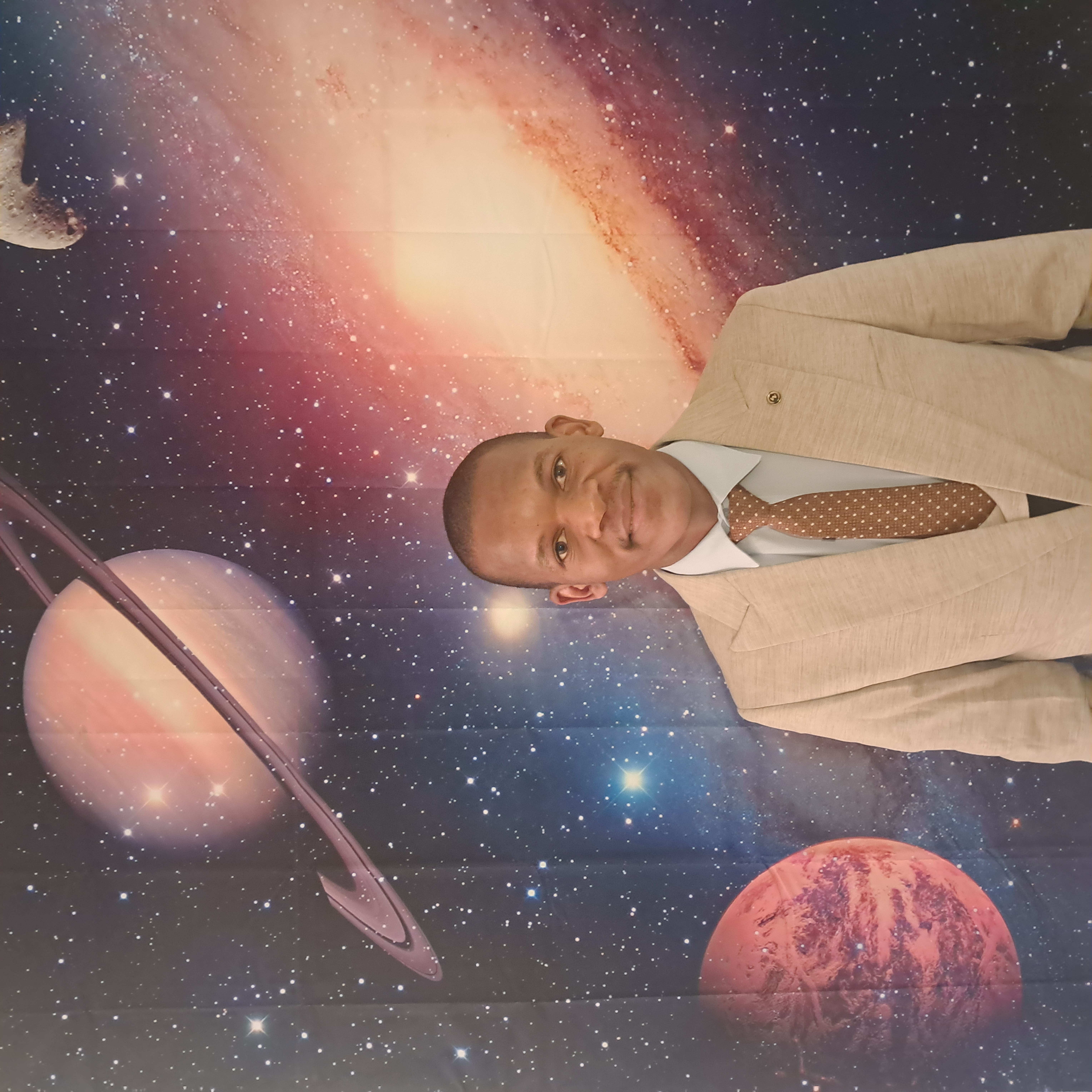
Monitoring the Okavango Megafan
MSS26 student Norbert Muzila is leveraging 25 years of Enhanced Vegetation Index (EVI) data to track environmental shifts in Botswana's unique megafan systems.
Detailed Schedule
Select a session to access lecture slides, readings, and lab guides.
Vector and Raster analysis techniques, overlay operations, and proximity analysis.
Building autonomous agents for Mars mission emergencies using ReAct, tool-use, and the Gemini API.
SpaceX & Blue Origin market valuation dashboards. Mixed ENG + BPL teams. 3-hour rapid lab.
🚀 Enter LabResident Faculty
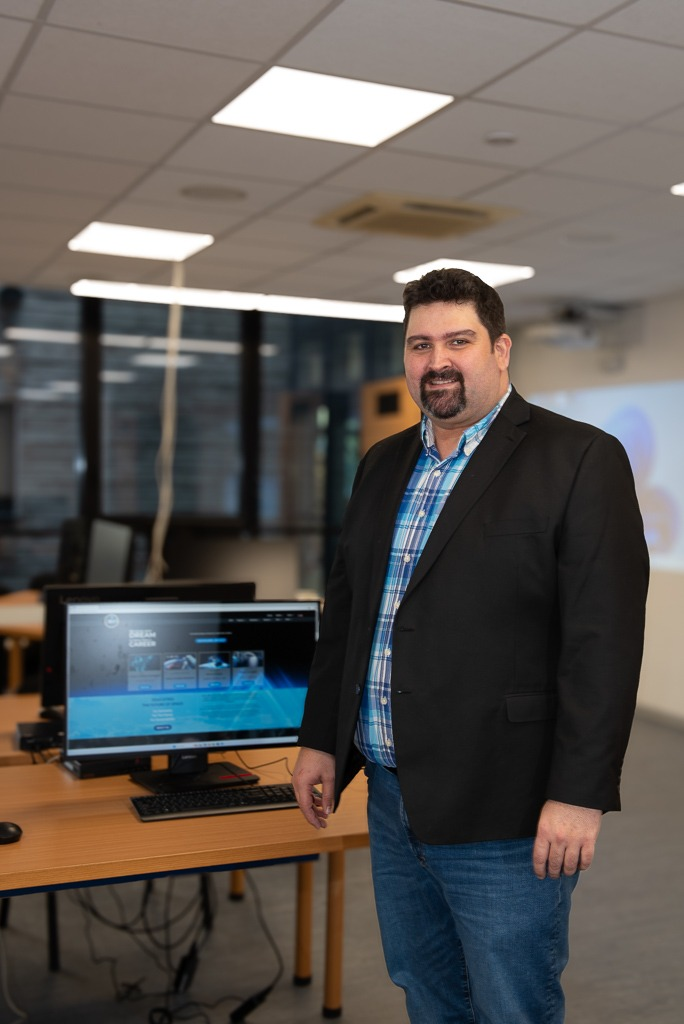
Dr. Sounny
Resident Faculty @ International Space UniversityDr. Sounny is a leading expert in Geographic Information Science (GIS), Remote Sensing, and the application of GeoAI to global sustainability challenges. With specialized research in spatial computing, he leads the Space Applications department in bridging the gap between satellite data and real-world impact.